It is a live, feeling chick.
The internet's favorite shriek. The biology disagrees — keep reading.
No. 007 / Misunderstood Chinese Food
It looks like an ordinary boiled egg. Then you crack the shell: a rush of warm savory broth, a yolk creamier than any boiled egg, and a twelve-day embryo so tender it eats like the softest chicken you have ever had. This is Nanjing's favorite street snack — and it is far gentler than its reputation.
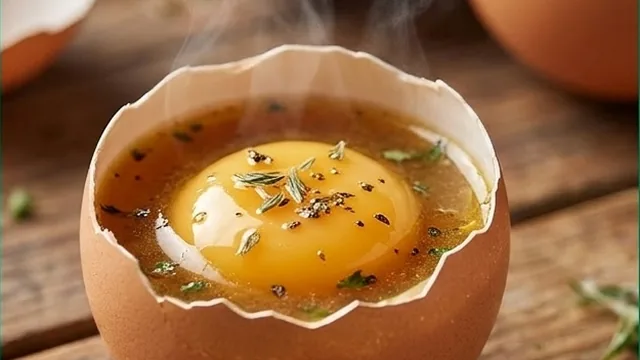
Harvested at day 11–13, before the embryo's nervous system develops enough to perceive pain.
In Nanjing and across Jiangsu, Guangdong, and Fujian this is an everyday market snack — even a common breakfast.
Same idea, different egg: chicken, not duck, and harvested a full week earlier — softer, creamier, milder.
What Is It?
Huozhuzi (活珠子) — literally "living pearl" — is a fertilized chicken egg incubated for about twelve days, then boiled or steamed and eaten straight from the shell. The name comes from candling: hold the egg against a bright light and the developing embryo rolls inside like a pearl.
Crack the top and the shell gives up its treasures in order: first a rush of warm, intensely savory broth, then a yolk smoother and creamier than any boiled egg, and finally the "pearl" itself — tender primitive chicken with bones still soft enough to eat. And the embryo has been cooking for you all along: during incubation it converts the yolk's fats and proteins into a far more complex amino acid profile. You are not just eating an egg. You are eating an egg that upgraded its own nutritional architecture.
First Reaction
Expectation dictates a harsh, extreme flavor — a dare, a fear-factor challenge. Reality delivers deep, un-intimidating comfort: a warm savory soup, a creamy yolk, and a mild poultry flavor that tastes, above all, like the ultimate soft-boiled egg.
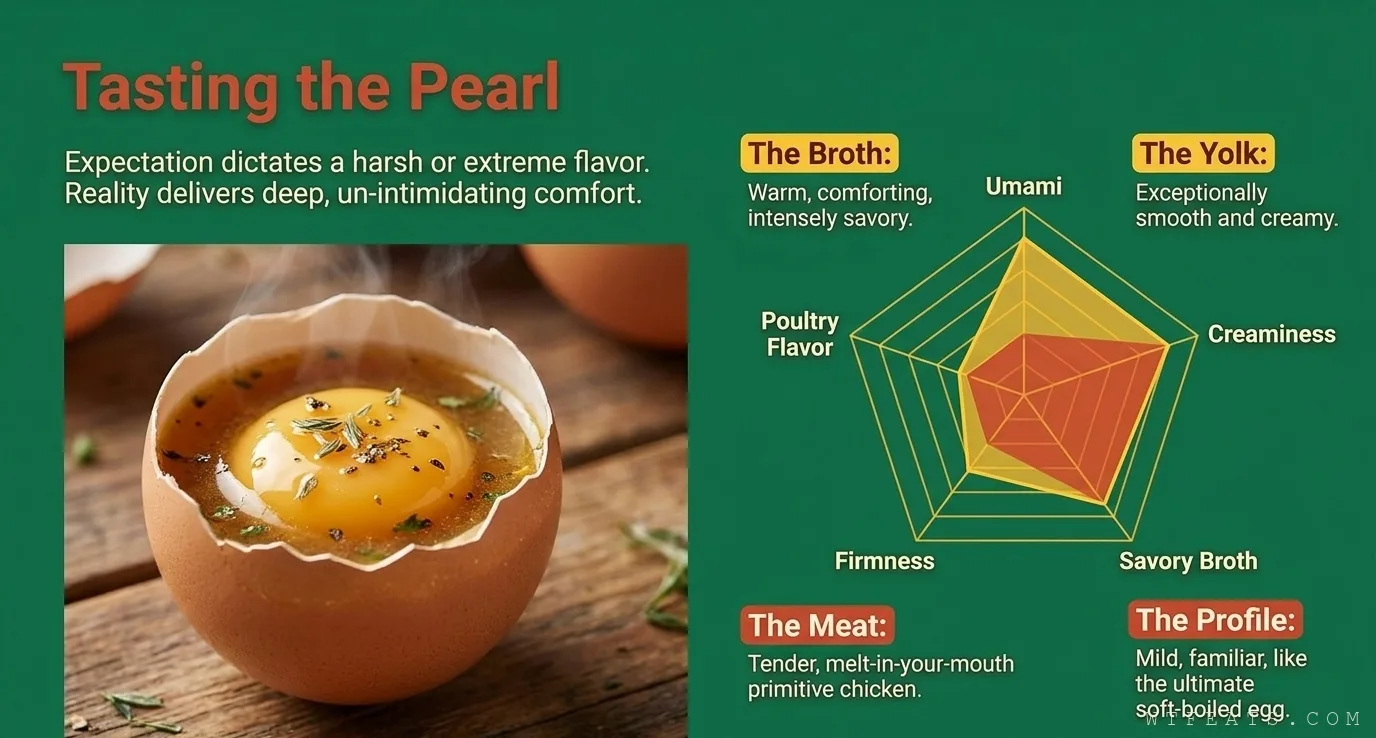
Myth vs Fact
The internet's favorite shriek. The biology disagrees — keep reading.
At day 11–13 the embryo's nervous system has not developed enough to perceive pain.
The most famous version gets the credit — but not the origin story.
Fertilized-egg eating originated in China and traveled to Southeast Asia with Chinese migrants, where it became balut.
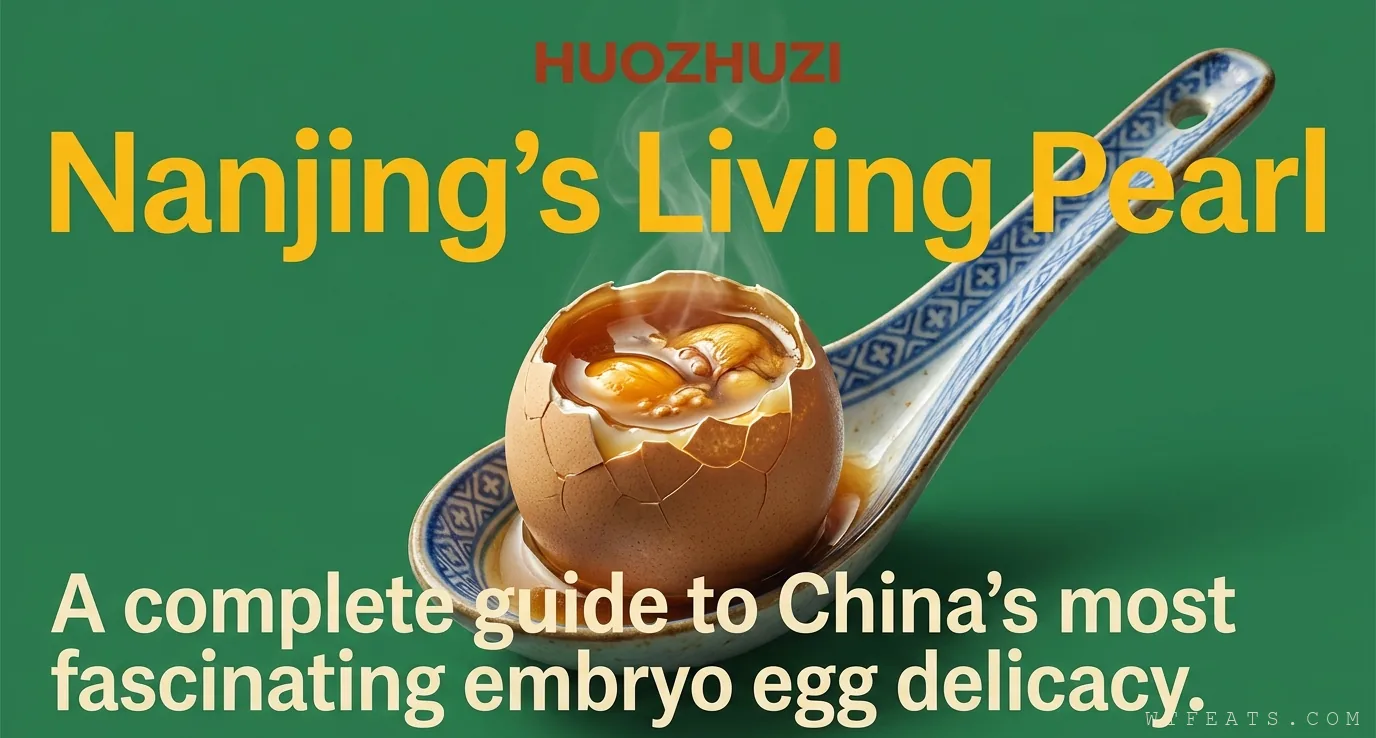
Visual Story
Follow the pearl from a plain egg to the harvest window — the candling spiderweb, the day-by-day development, the science of extreme umami, and how to eat one like a Nanjing local.
Open the storyDeep Dive
The candling ritual, the 21-day biological window, the umami chemistry, and the four-step crack-sip-season-scoop ritual.
Read the articleGuide
A tidy table of contents for the overview, the window, the craft, and what comes next.
Browse chaptersHow to Eat It
Tap the wider top end of the shell against the table to open a coin-sized hole. Do not peel — the shell is your bowl.
Tip the egg and sip the warm, intensely savory broth pooled at the top. This is the moment that converts skeptics.
A pinch of salt, white pepper, or roasted chili powder into the opening — then peel back more shell and spoon out the creamy yolk and the pearl.